You can contact us 24/7 +18623950554

The best discounts this week
Every week you can find the best discounts here.
1. Bringing Your Havanese Puppy Home (First Days)
- Keep the first 24–48 hours calm and low-key to reduce stress. Limit visitors and give your puppy time to adjust.
- Maintain the same food, schedule, and routine the breeder used for at least the first few days (or weeks) to avoid digestive upset.
- Puppy-proof your home: Secure cords, remove small objects, toxic plants, and anything chewable.
- Set up a safe space with a crate (den-like for security), soft bedding, water, and pee pads initially.
- Talk to your puppy often — Havanese are very attentive and love the sound of your voice.
2. Feeding & Nutrition
Havanese puppies have small stomachs and are prone to hypoglycemia (low blood sugar), so frequent small meals are essential.
- Puppies (8–12 weeks): 3–4 meals per day.
- Up to 6 months: Continue 3 meals; transition gradually.
- After 6 months: 2 meals per day into adulthood.
Recommended amounts (adjust based on your puppy’s weight and the food label):
- Start with about ¼–½ cup of high-quality small-breed puppy food per day, divided into meals.
- Use the breeder’s recommended brand initially. Look for formulas rich in protein, healthy fats (for coat health), and DHA for brain development.
- Always provide fresh water. Avoid free-feeding after the initial adjustment period.
- Treats should be minimal (use for training) — healthy options include small bits of green beans or carrots.
Tip: Feed on a schedule and pick up the bowl after 15–20 minutes to prevent picky eating.
3. Potty Training & Crate Training
Havanese are smart and respond well to positive reinforcement, but they’re small, so bladder control develops gradually (reliable around 12+ weeks).
- Take your puppy out:
- Every 1–2 hours during the day (more after eating, drinking, playing, or waking).
- Immediately after meals, naps, and play.
- Last thing at night and first thing in the morning.
- Praise and reward (treat + happy voice) every time they go outside.
- Use a crate as a safe den — never as punishment. Size should allow standing, turning, and lying down comfortably.
- Crate training helps with housebreaking, prevents chewing when unsupervised, and reduces separation anxiety.
Accidents happen — clean with enzymatic cleaner and stay consistent. Most puppies are reliably trained by 4–6 months with patience.
4. Grooming Your Havanese Puppy
The luxurious silky coat is the breed’s hallmark but requires commitment to prevent mats.
- Daily brushing: Essential, even for puppies. Use a soft slicker brush or comb, focusing on behind ears, armpits, groin, and tail.
- Bathing: Every 3–4 weeks with gentle puppy shampoo. Thoroughly dry with a low-heat dryer to avoid tangles.
- Eyes & Tear Staining: Wipe daily with a soft, damp cloth. Havanese can have tear stains — keep the area clean.
- Professional grooming: Every 6–8 weeks for trims (many owners keep a “puppy cut” shorter for easier maintenance).
- Start grooming routines early so your puppy enjoys it. Trim nails regularly and check ears weekly.
Pro tip: A shorter clip makes daily care much easier while keeping them looking adorable.
5. Exercise & Play
Havanese have moderate energy — not high-drive athletes, but they love interaction.
- Puppies: Short, frequent play sessions (5 minutes per month of age, up to 3 times daily). Avoid over-exercising growing joints.
- Adults: 30–60 minutes total daily — walks, indoor play, fetch, or puzzle toys.
- Mental stimulation is just as important: Training games, hide-and-seek, and toys prevent boredom (which can lead to barking or chewing).
They’re excellent apartment dogs but enjoy backyard playtime too.
6. Training & Socialization
Havanese are eager to please and highly trainable with positive methods (praise, treats, play). They can be sensitive, so never yell.
- Start early (8–12 weeks is the prime socialization window): Expose to people, sounds, other dogs, children, and environments positively.
- Basic commands: Sit, come, stay, leave it. They excel at tricks and even agility.
- Crate and leash training from day one.
- Address barking early — they’re alert but can become yappy without guidance.
- Enroll in puppy kindergarten for socialization and basic obedience.
7. Health & Veterinary Care
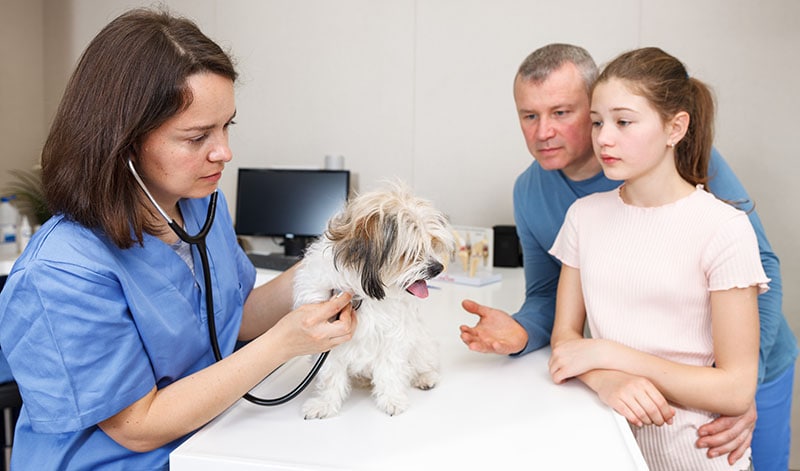
Schedule your first vet visit within 48–72 hours of bringing puppy home.
- Vaccinations & Deworming: Follow your vet’s schedule (usually every 3–4 weeks until 16 weeks).
- Spay/Neuter: Typically recommended around 6–8 months (discuss with your vet).
- Common Puppy Concerns:
- Hypoglycemia (watch for lethargy, shakiness — feed small frequent meals).
- Dental care: Start brushing teeth early; small breeds are prone to issues.
- Breed-Specific Health Watch:
- Patellar luxation (slipping kneecaps).
- Legg-Calvé-Perthes disease (hip/joint issue in young dogs).
- Eye problems (cataracts, progressive retinal atrophy).
- Liver shunts (rare but serious).
- Regular eye and orthopedic checks recommended.
Annual vet exams, dental cleanings, and preventives (flea/tick/heartworm) are crucial. Average lifespan: 14–16 years with good care.
8. General Daily Routine Example (for an 8–12 Week Puppy)
- Morning: Potty, breakfast, short play, crate nap.
- Mid-morning: Potty, training session, play.
- Afternoon: Meal, potty, socialization/walk, nap.
- Evening: Meal, potty, gentle play, final potty before bed.
- Night: Crate in your bedroom for comfort (they bond strongly and may whine initially).
Havanese thrive on companionship — they can suffer from separation anxiety if left alone too long, so crate training and gradual alone time help.
Congratulations on your Havanese puppy! With consistent care, grooming, love, and training, your “Hammi” will grow into a charming, velcro-dog companion full of personality.
